Stardew Valley and Animal Crossing represent two of the most popular life simulation games available today, yet each offers a distinct gameplay experience tailored to different player preferences. While both titles emphasize relaxation, creativity, and community building, their core mechanics diverge significantly in pacing, progression, and daily objectives. Understanding how these mechanics differ helps gamers choose the experience that best fits their playstyle.
Time Progression and Daily Pacing
In Stardew Valley, time operates on a fast-paced internal clock where a single full day lasts roughly fifteen real-time minutes. Players must manage energy levels while balancing farming, mining, and social interactions before their character faints at night. This structure encourages strategic daily planning and efficient task management within a set timeframe.
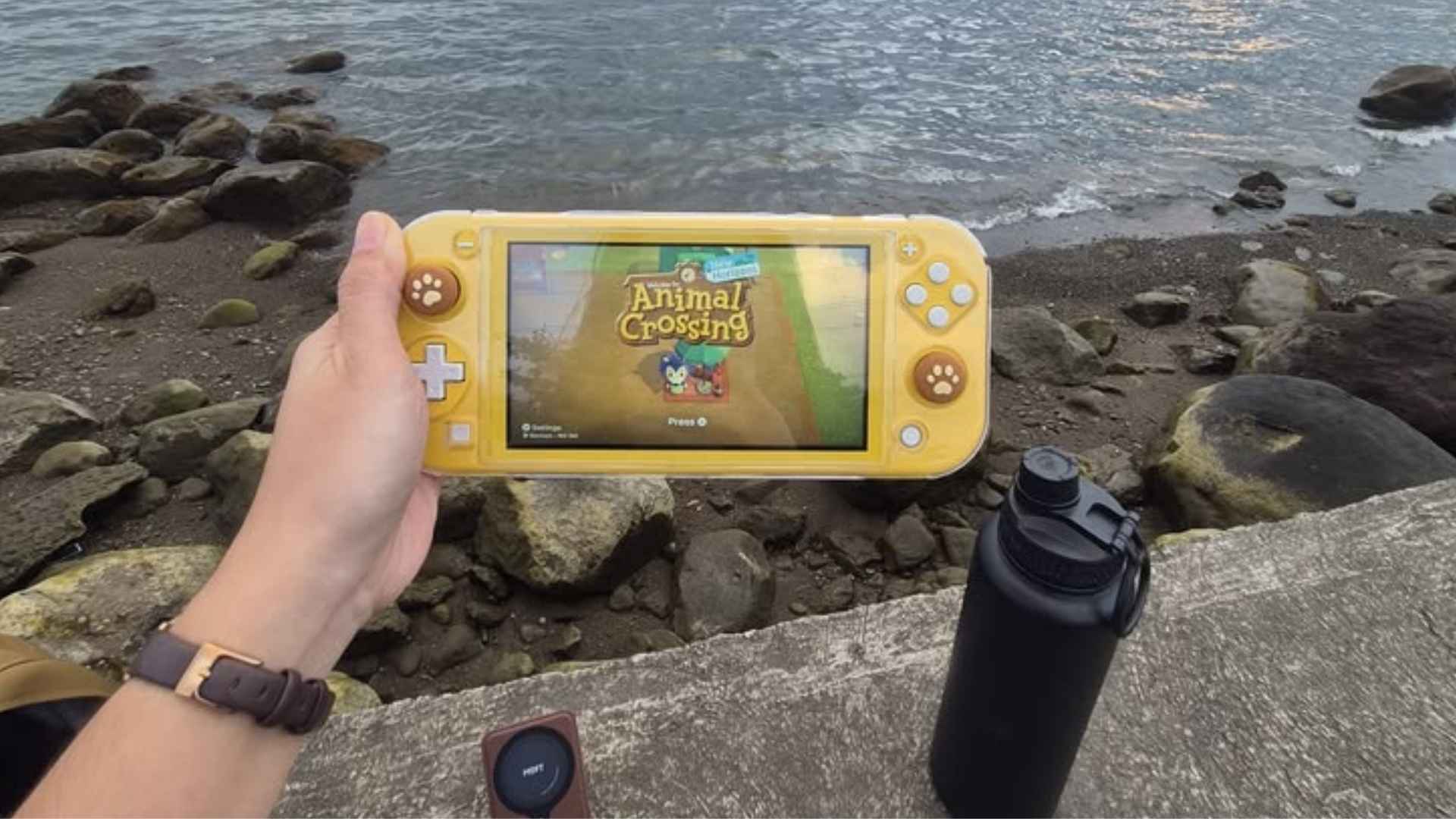
Conversely, Animal Crossing syncs directly with the real-world console clock and calendar. Events, seasons, and store operational hours mirror actual real-time progression, creating a relaxed environment where players cannot rush ahead without altering system settings. This real-time loop fosters a steady, long-term routine rather than intense daily optimization.
Core Gameplay Objectives and Progression
Progression in Stardew Valley is tied to tangible growth, resource management, and task accomplishment. Players restore a inherited farm, upgrade tools, delve into combat-filled mines, and complete community bundles to unlock new areas. The game offers clear milestones and structured rewards that appeal to goal-oriented gamers.
Animal Crossing focuses predominantly on island design, personal customization, and social sandbox elements. Main goals revolve around paying off home loans, decorating interior and exterior spaces, and collecting fish, bugs, and art. The absence of traditional fail conditions or combat allows players to progress entirely at their own leisure.
Social Systems and NPC Relationships
Relationship building in Stardew Valley involves deep social mechanics with villager schedules, gift preferences, and heart meters. Players can form meaningful friendships, trigger unique cutscenes, and even marry eligible townspeople. These interactions directly reward players with unique recipes, gifts, and narrative depth.
Villagers in Animal Crossing serve primarily as charming, reactive neighbors who populate your growing town. While players can converse, exchange gifts, and send letters, the social system emphasizes casual camaraderie over deep story progression. The focus remains on curating a cozy, harmonious island community populated by favorite animal friends.
Choosing the Right Experience for You
Selecting between these two iconic titles comes down to what you seek in a simulation game. If you enjoy structured tasks, resource management, and rewarding progression loops, Stardew Valley provides endless strategic engagement. However, if you prefer an open-ended, stress-free creative outlet aligned with real-world time, Animal Crossing delivers the ultimate cozy escape.